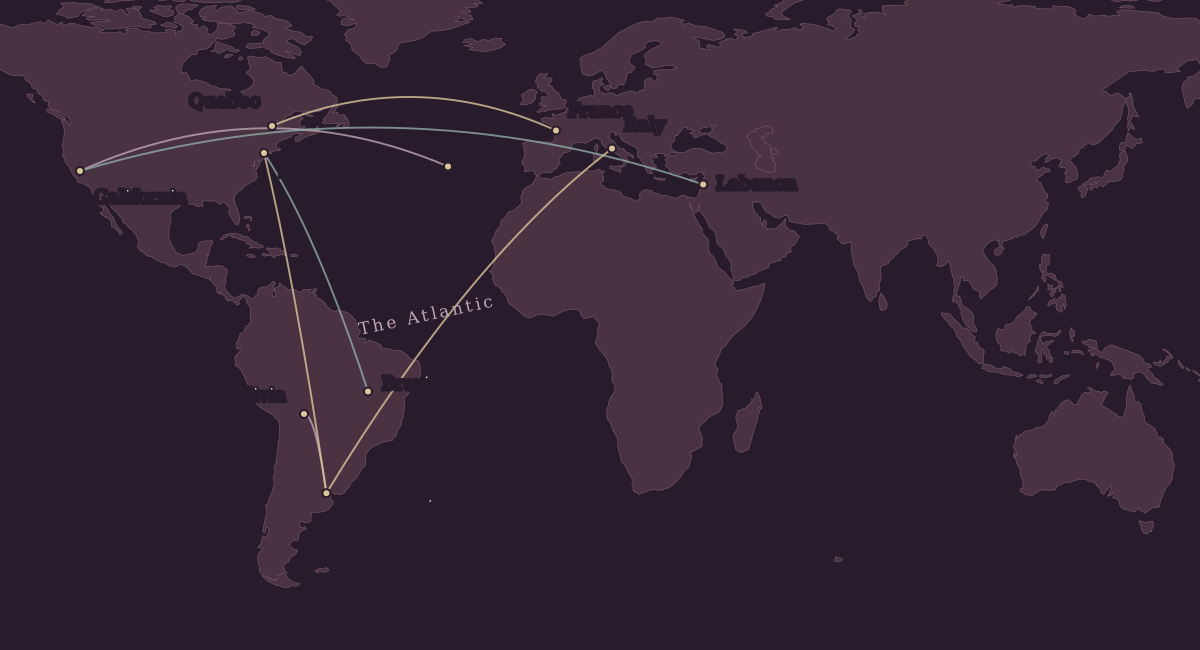
The Azores and America, part of the same family’s history. View full size ↗
Migration · The Azores and America
He went back for his family.
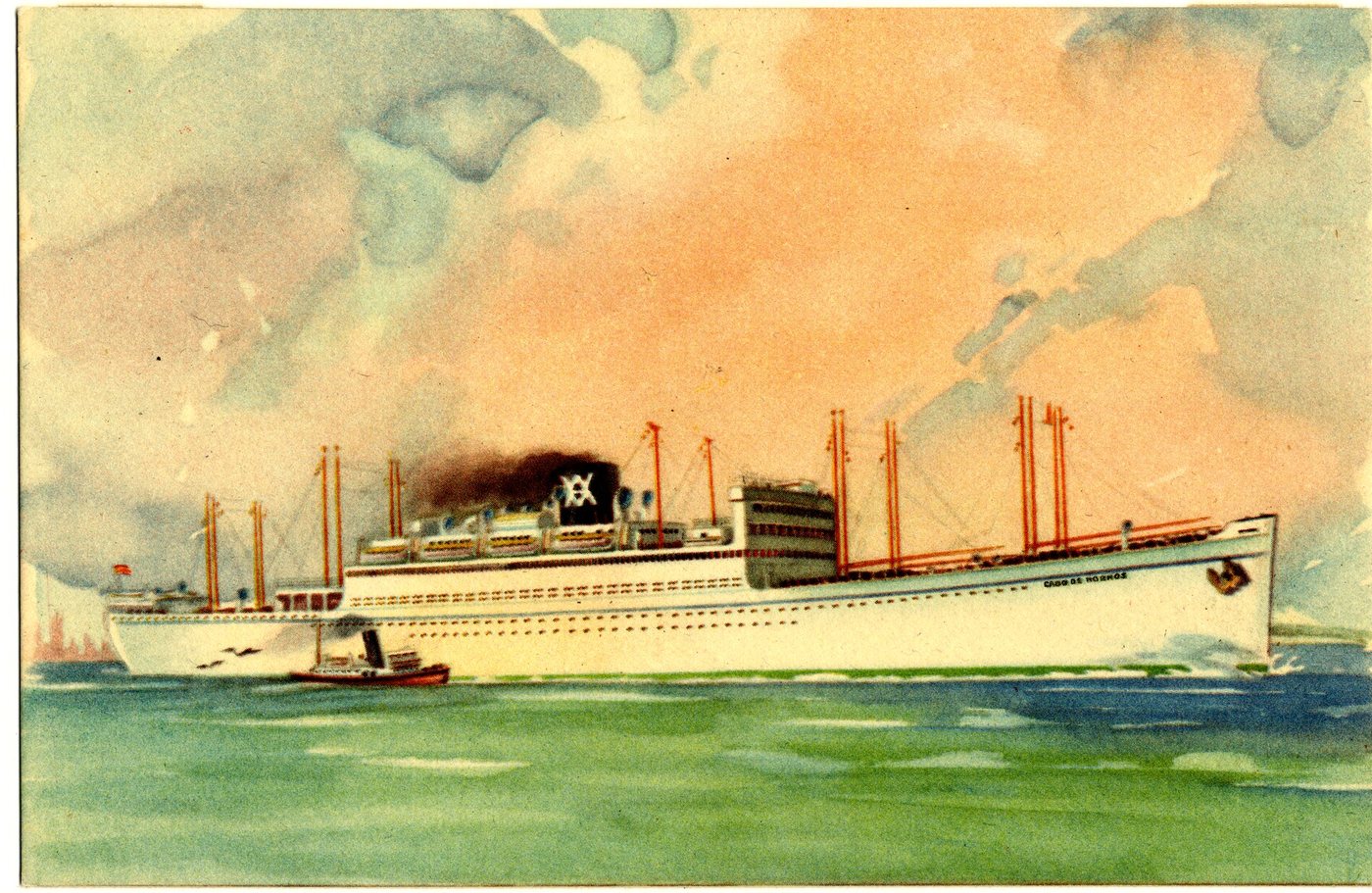
In the family’s telling, a father left the Azores for America in 1890. Five years later, he came back with the money to bring his wife and children.
His son remembered making the crossing with his parents and sister. The first time, their father had gone alone. This time, they went together.
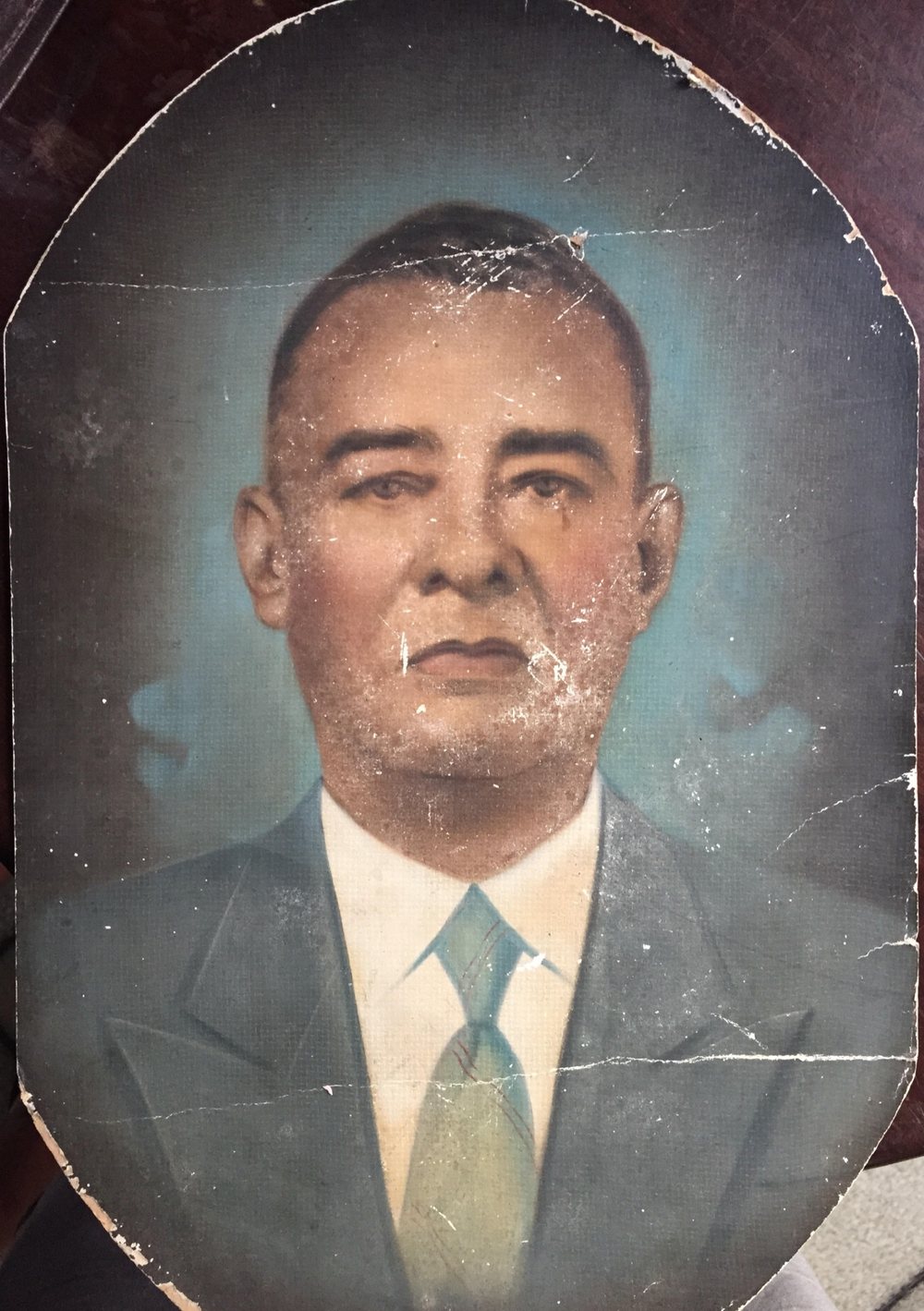
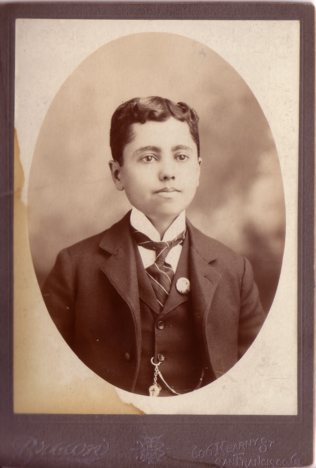
A portrait kept by the family.
A family’s music · Maranhão, Brazil
They knew his face. Now, his music.
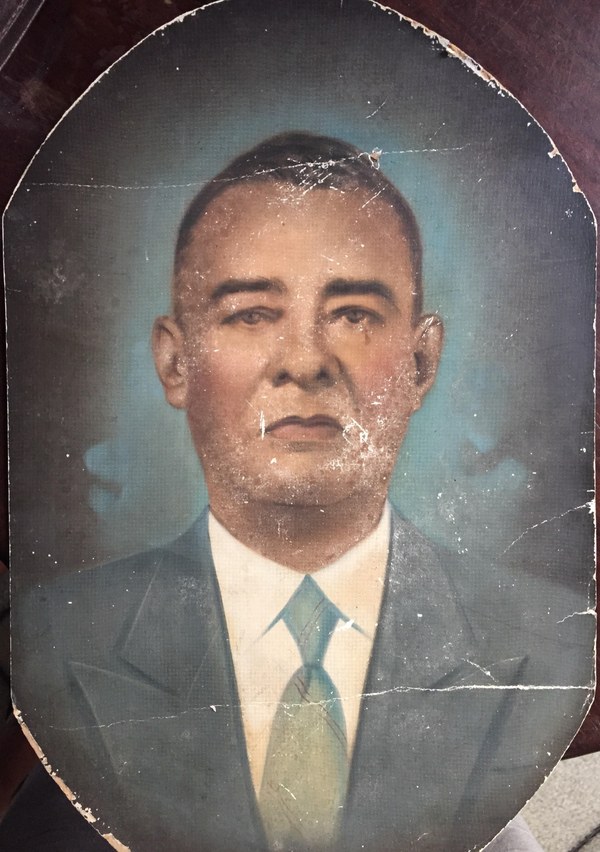
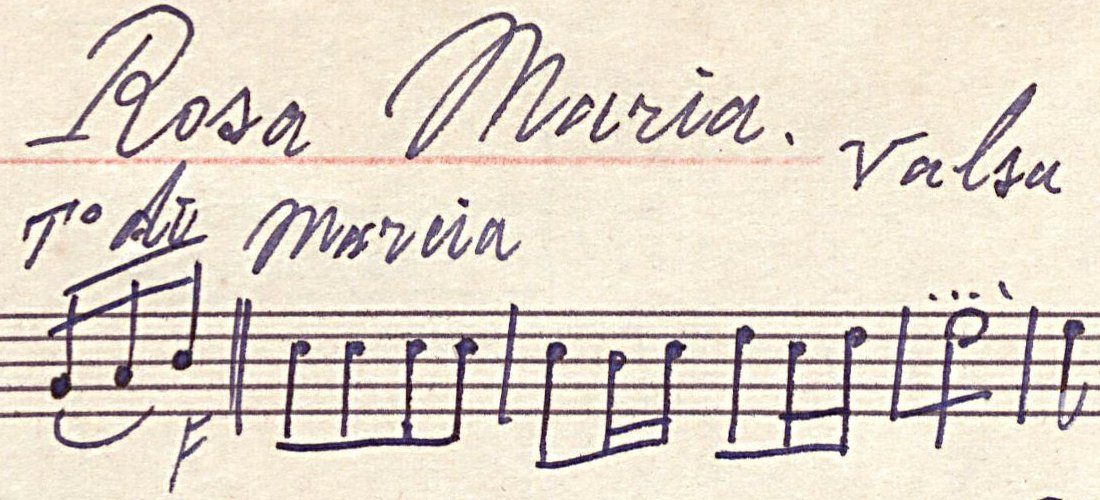
Grandpa Bernardino led the town band in Rosário. The family knew his serious face from a portrait, but had never heard “Rosa Maria”, the waltz that bears his name.
The surviving band parts have given the old melody a new performance. Here is a little of the waltz, for another generation to hear.
Score detail · APEM’s João Mohana collection.
A short passage, reconstructed in 2026 from surviving band parts, with the remaining parts newly arranged in the style of the time.
Baghdad · a father’s escape, remembered by his son. View full size ↗
Baghdad, 1917
His name was on the list.
His son tells the story: before the Ottoman army left Baghdad in 1917, his father’s name was on a list of men marked for death.
He befriended a Turkish captain and bribed his way out. His children would know this story alongside another: how he had won their mother’s hand with a promise of twelve colors of silk.
When a young Swedish engineer arrived in New York in 1923, he said he intended to stay five years. He stayed forty-six.
He married, raised two daughters and designed the machinery that powered ships. Sweden stayed with him: he wrote about a Swedish Christmas for readers in New Jersey. At sixty-six, he was still inventing.
1949one brother1950another follows1955two arrive together
Italy → Argentina
Four siblings. A new country.
One brother reached Buenos Aires in 1949. Another followed the next year. Their sister and youngest brother arrived together in 1955.
Their youngest brother was fourteen when he arrived. Their eldest stayed in Italy. The family from one hill town now had homes on both sides of the Atlantic.
Sometimes a family story rests in an object saved, a household changed, or the person who took care of the children.
San Francisco, about 19011906
The sewing box from Lebanon.
The family remembered a young man using a mule and wagon to help neighbors leave the San Francisco fire. From his mother’s belongings, he saved a wooden sewing box brought from Lebanon.
Decades later, a relative could finish the story with three words about the box: “which I have.”
1819
The lieutenant’s belongings.
Before a lieutenant was buried at sea, the crew listed his belongings. One copy went into his trunk, another to the captain.
Months later, word reached his hometown in France. At sea, his fellow sailors had taken care of the small collection of things he had brought aboard.
Three boys
Their grandmother took them in.
After their mother died, three young sons went into their grandmother’s care.
Their grandmother was already widowed. Now three grandsons had a home with her.
Marriages & beginnings
How two lives became a family.
Sapporo → Aomori July 1929
A honeymoon in Japan
A honeymoon on the concert stage.
In July 1929, a soprano and violinist performed in Sapporo on their honeymoon. A pianist joined them. Four days later, the same three musicians appeared on a stage in Aomori.
The bride sang soprano; the groom played violin. Their wedding trip had room for a pianist and two audiences.
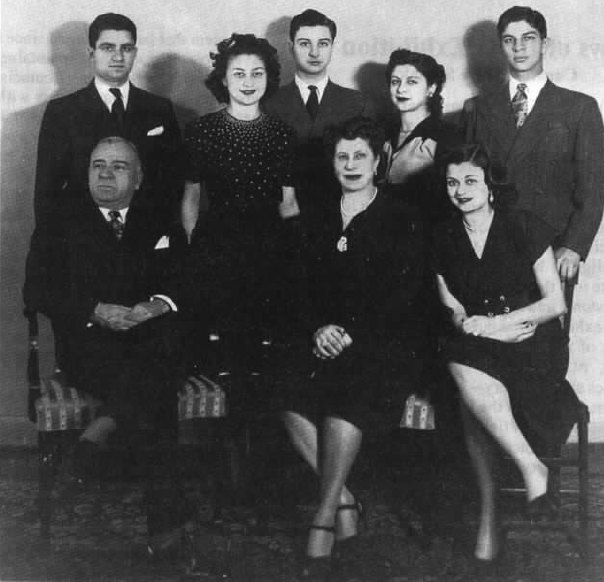
The couple, seated left and center, with their children, 1943
Courtship in Baghdad
Twelve bolts of silk.
Their daughter told it this way: her father saw her mother playing Queen Esther in a school production. The next day, he sent a marriage broker.
The bride’s father could not afford two daughters’ weddings so close together. The suitor offered to pay for the wedding and bring twelve bolts of silk from Manchester, each a different color.
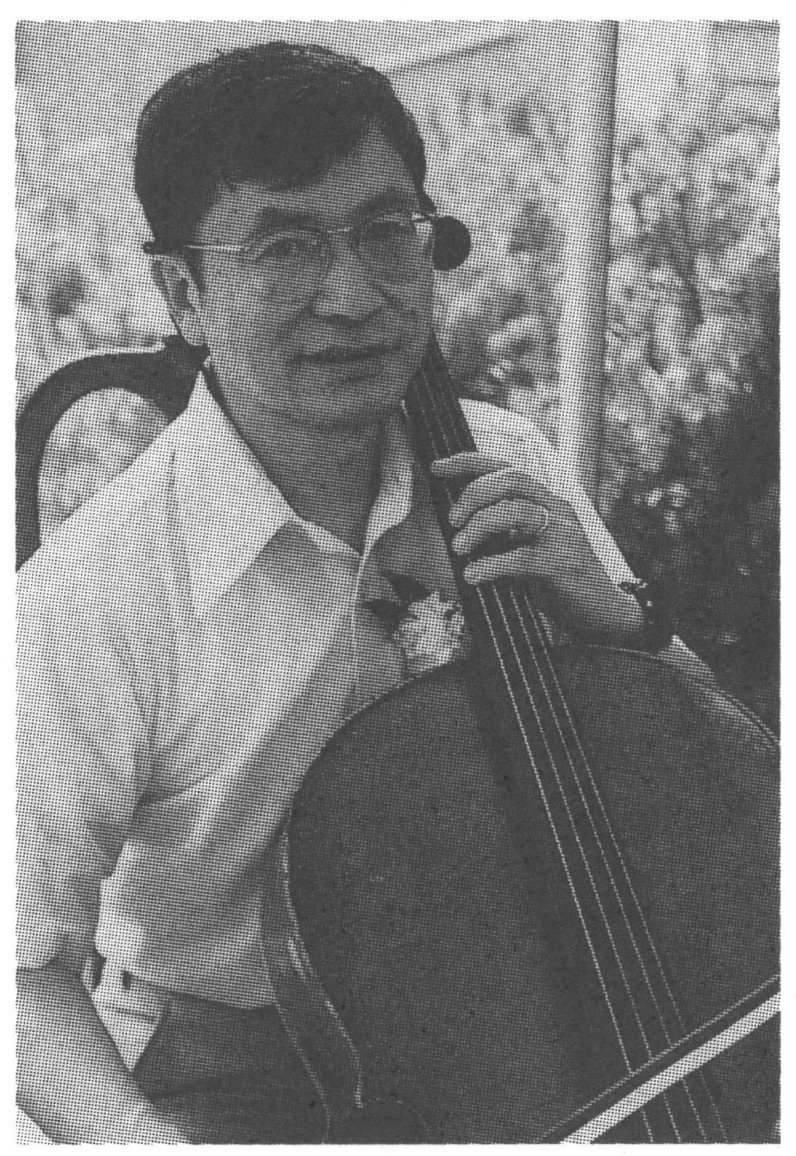
The cellist, years later
Music & a marriage
They played in the same orchestra.
She taught music and played the violin. He was a research scientist who played the cello. In Princeton, they belonged to the same chamber orchestra.
His colleagues in Japan heard that the cello had brought him to her. In 1974, the violinist and the cellist married, with a wedding trip to Hawaii and Japan ahead of them.
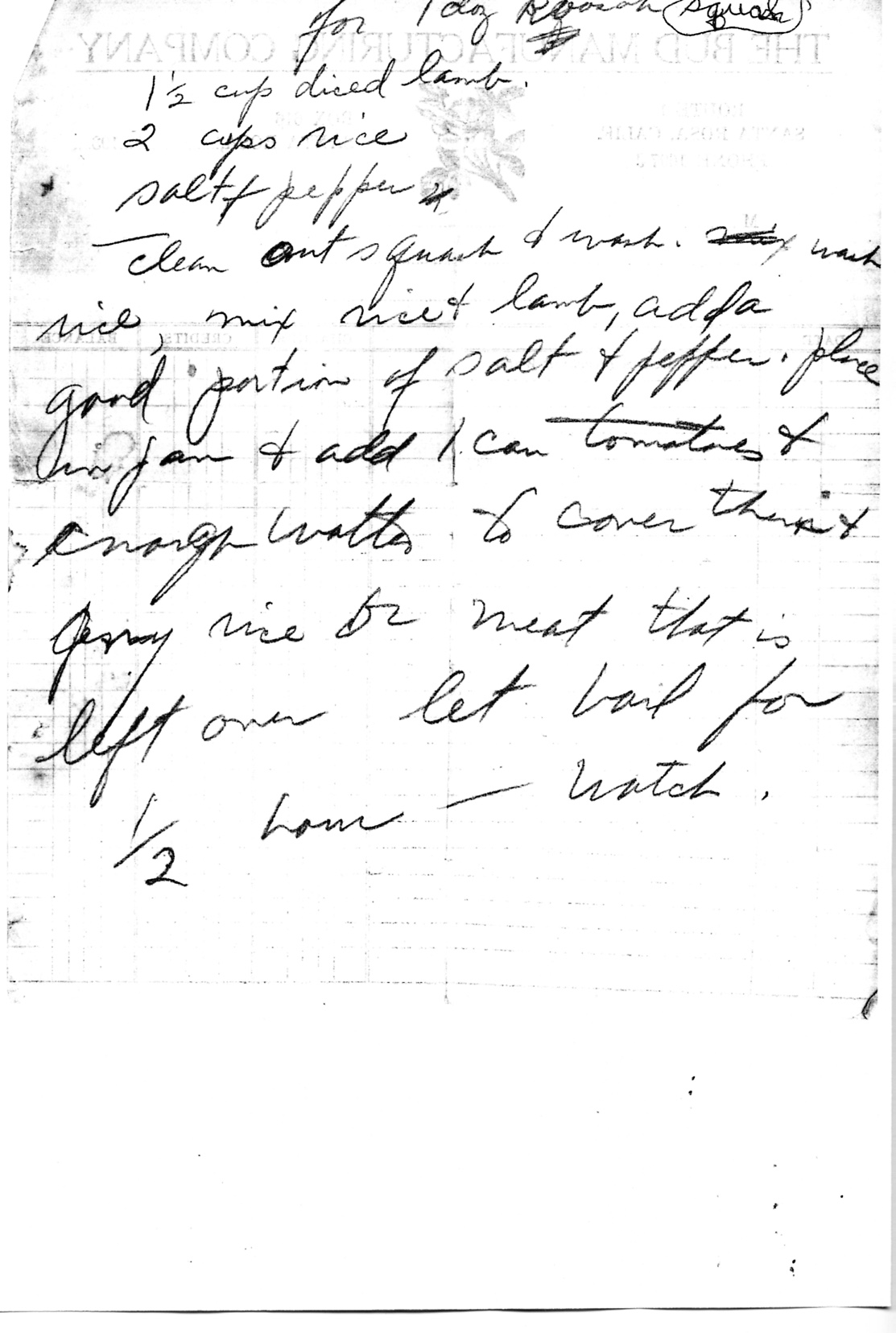
The handwritten kousa recipe · detail
Food, work & everyday life
A family recipe on company stationery.
On one side, company stationery. On the other, enough stuffing for a dozen squash.
Lamb, rice, tomatoes, salt and pepper: the family’s Lebanese cooking, written on the back of a business billhead. There are quantities, but the cook is expected to know a thing or two already.
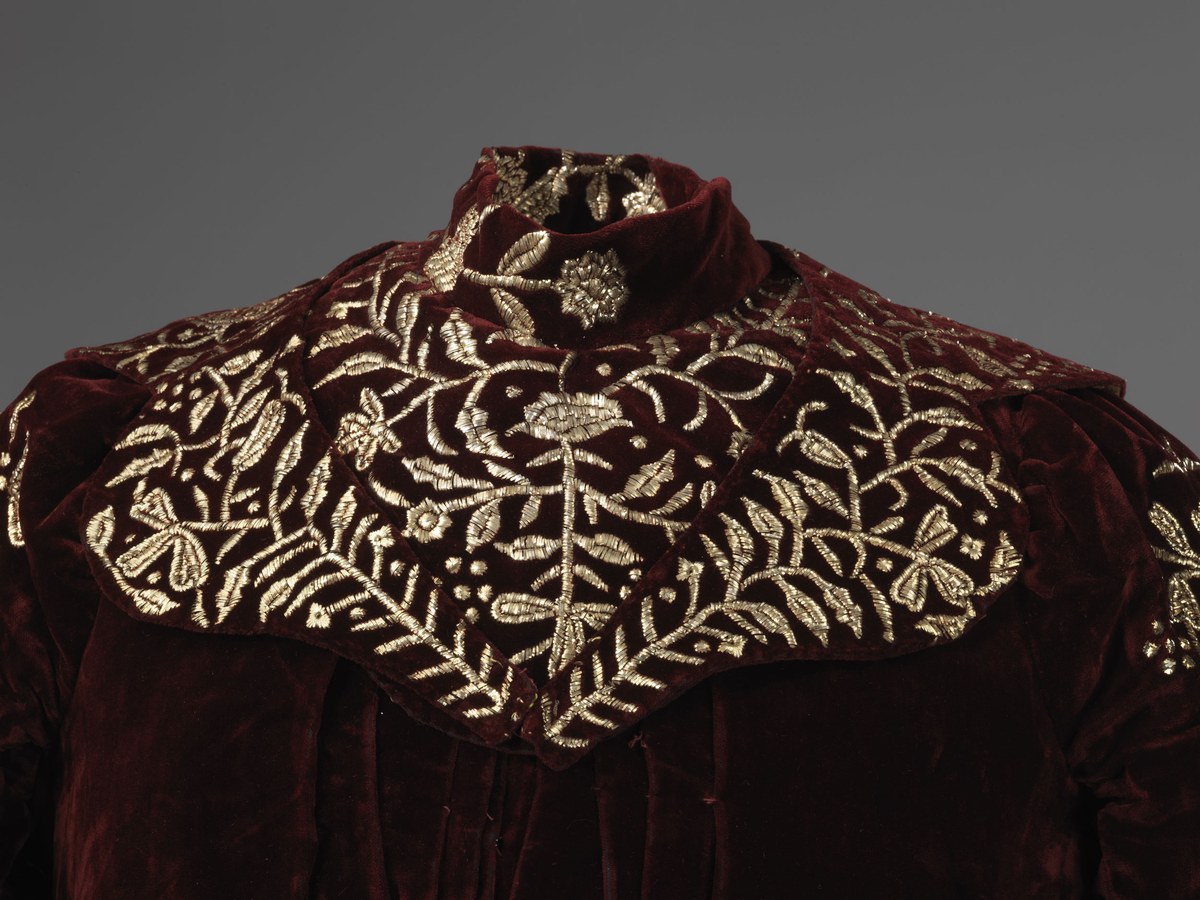
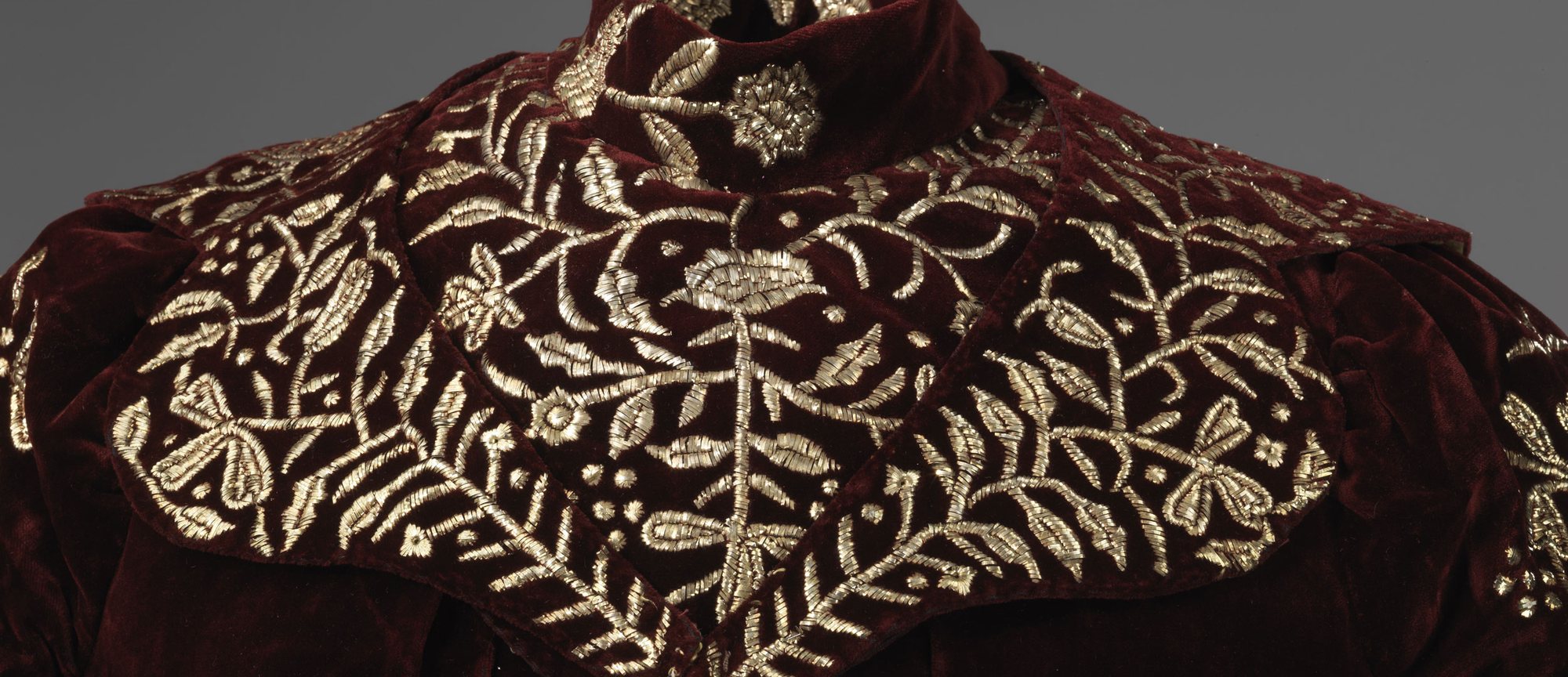
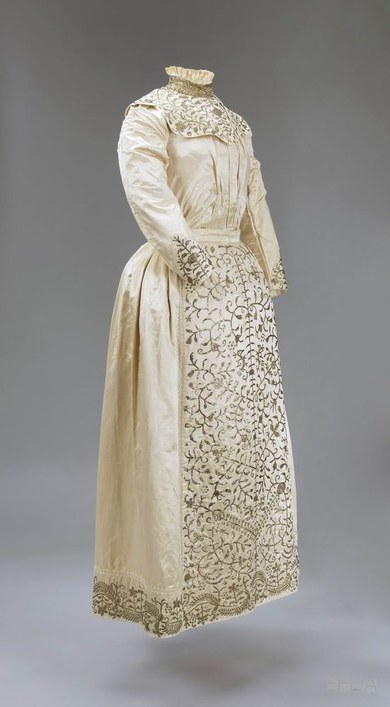
For her henna celebration, she wore deep-red velvet. For the wedding, silk satin. Both outfits were worked with metal embroidery.
Her children gave both outfits to the Israel Museum in Jerusalem. More than a century after the wedding, the flowers embroidered for a bride in Baghdad can still be seen.
Her grandson knew her face from a later passport: an older woman in a checked blouse. Now he could picture her in velvet and satin, at the beginning of her married life.