The story
he tells.
A young man, a mule and a wagon, helping neighbors escape the San Francisco fire.
How we build the stories
Your relatives bring memories, photographs and questions. We add research and writing. Together, those pieces become stories to read, share and keep.
Inside the research journal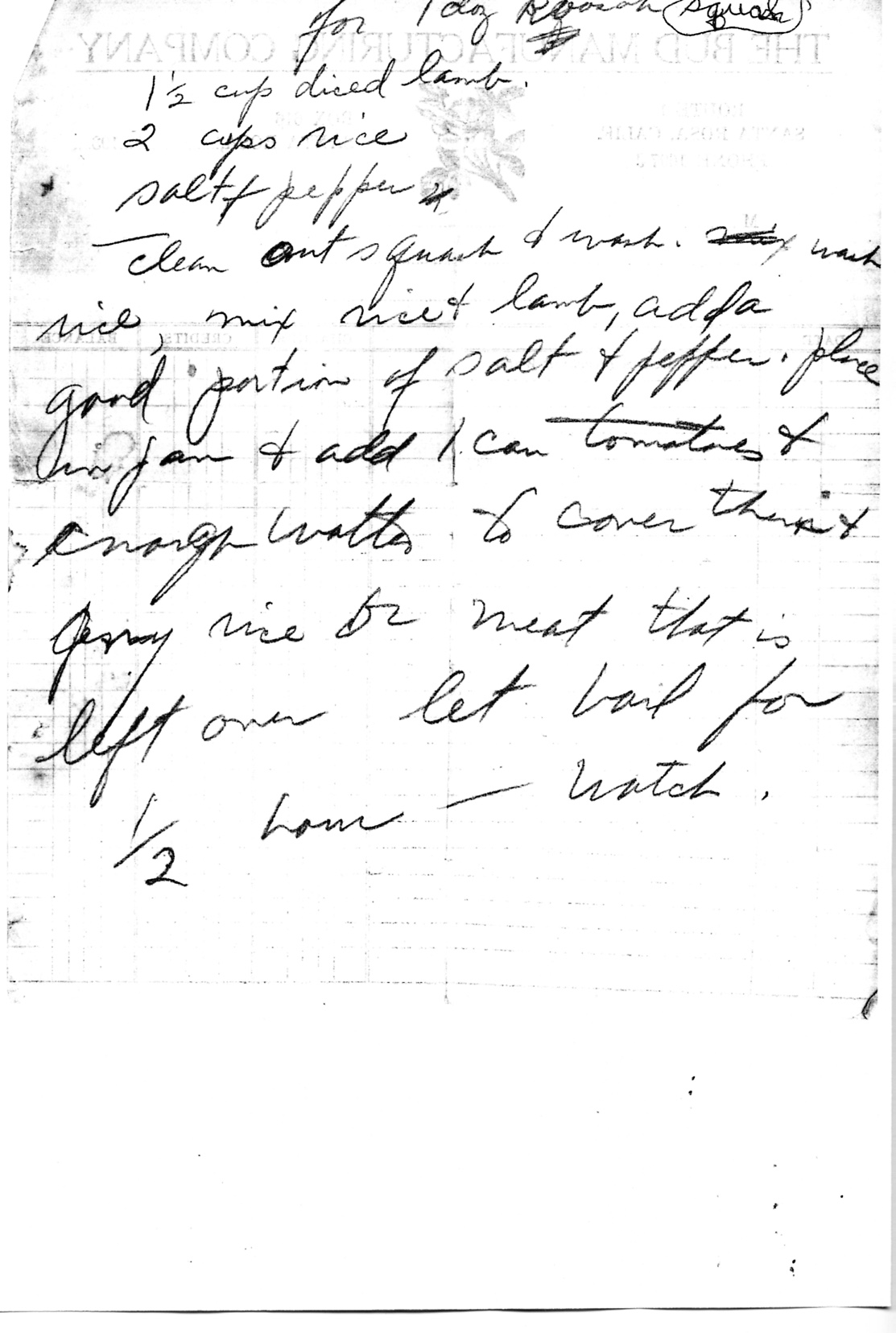
Our part in the family story
Our Legendry is an AI-led research and storytelling service. We connect what your family shares with records, photographs and the history of the places they lived.
The work follows the evidence: what is documented, what relatives remember, and what remains uncertain. Your family can add a name, correct a detail or bring another part of the story into view.
The family adds its part
A new discovery gives relatives something to recognize, remember or add to. Their contributions can open another part of the story.
A young man, a mule and a wagon, helping neighbors escape the San Francisco fire.
A boy’s portrait with a message to his beloved aunt on the back.
His mother’s wooden sewing box came from Lebanon. He saved it from the fire.
The stories in a family
A first meeting. A move across an ocean. A recipe passed from one kitchen to another. Our Legendry combines what the family shares with new discoveries to write stories you can read, share and pass on.
A daughter’s memories
The names on the page were unfamiliar. The handwriting was her father’s.
Her father had written down his grandparents’ names. She remembered finding that page at home, where he had his own bakery. Baking had been his trade since his teens. At twenty, he worked forty-eight hours a week; his mother cooked in a school lunchroom. Mother and son both made their living feeding other people.
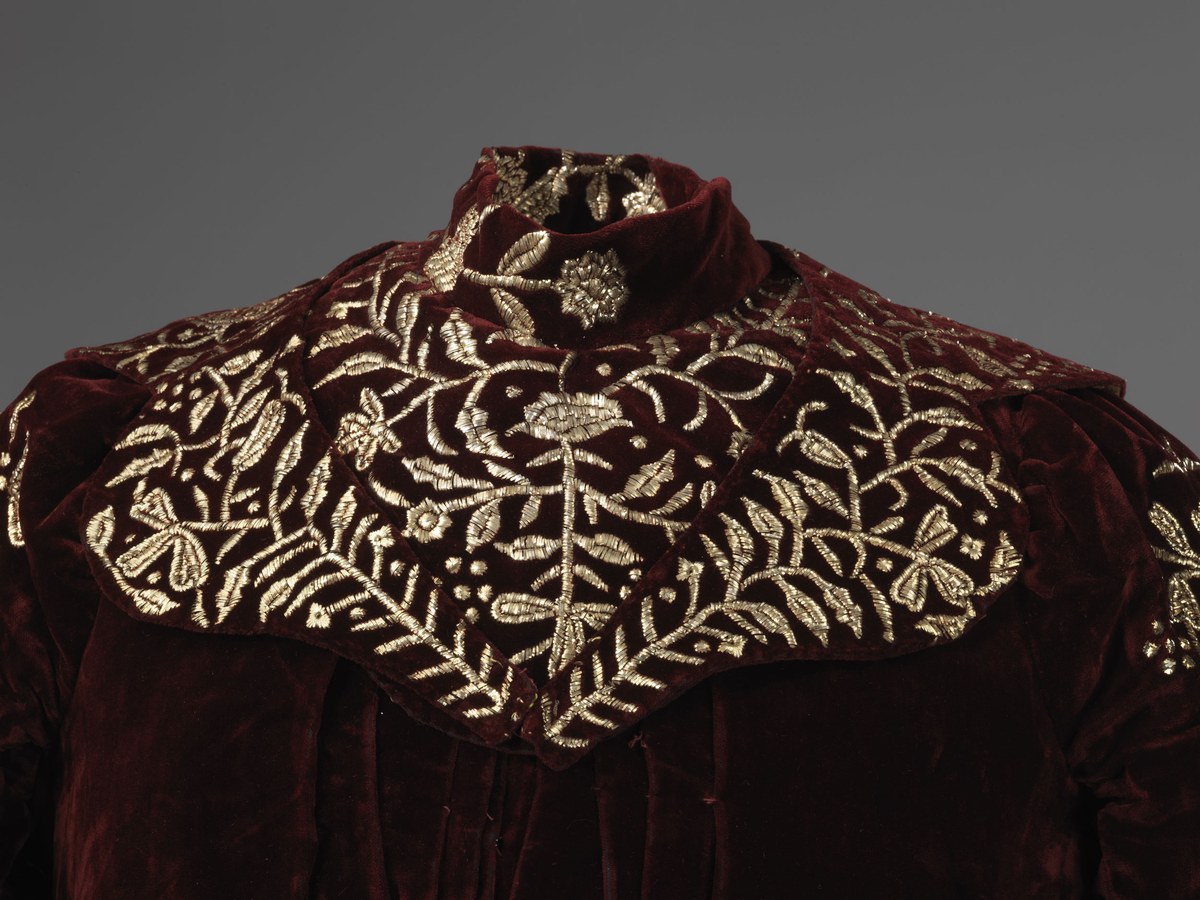 Photo © The Israel Museum, Jerusalem, by Mauro Magliani.02
An heirloom rediscovered
Two dresses made for a Baghdad wedding in 1904 survived in a museum. A passport shared by the family showed the bride nearly fifty years later.
One dress was silk velvet, worn for the henna celebration; the other, silk satin for the wedding. Her children later gave both to the Israel Museum in Jerusalem. The clothes preserve the young bride; the passport brings back the grandmother her family knew.
A daughter’s account
Her father saw her mother playing Queen Esther. The next day, he sent a marriage broker.
Their daughter remembered two obstacles: an older sister still to marry, then a father who could not afford two weddings so close together. The suitor waited for the sister’s engagement. Then he offered to pay for his own wedding and bring twelve bolts of silk from Manchester, each a different color.
A life traced through places
A tailor’s daughter came south to work as a maid. The croft where she arrived would become her family’s home.
Near Stockholm, a crofter kept a cottage and land in return for work on an estate. Within a year of arriving, she married the crofter. Her younger sister later came to work in the same household. She raised her children in the parish; one son’s family would eventually reach America. The old house still stands.
An arrival and a lifetime
The young engineer planned to spend five years in America. Forty-six years, a marriage and two daughters followed.
He found work in New Jersey, married and raised two daughters. He designed the machinery that drove ships, and at sixty-six he was still filing a patent. He also wrote about Swedish Christmas traditions for his American neighbors. The five years had become a lifetime, with room in it for both countries.
06The family’s kitchen
Stuffed squash on one side of a sheet; the family business on the other. The recipes carried two parts of the household’s life.
For a dozen squash: lamb, rice, tomatoes, salt and pepper. The cook wrote on the back of a business billhead and ended with one word: “watch.” A recipe for someone who knew their way around the kitchen.
An arrival
In March 1923, a young engineer from Sweden arrived in New York to join a friend in Brooklyn. He could read Swedish and German, and he meant to stay five years.
That was his answer on arrival. He had no plan to become a citizen.
New York passenger arrival list · 1923
A face, and his own words
Two years later, a technical society published a jubilee book with photographs and accounts supplied by its members. His entry was there.
It followed him from chemistry studies in Sweden to work in Germany, then Newark and Trenton. The German he could read on arrival now had a place in his life.
Technical society jubilee book · 1925
The years that followed
In New Jersey, he went from designing turbines to leading an engineering department. The machinery he helped develop drove ships.
At sixty-six, he filed another patent. The young man’s intended five years had become forty-six, with a marriage and two daughters along the way.
Engineering press · career notices · a patent
The story to read and keep
He came for five years of American life. He found work, married and raised two daughters—and kept something of Sweden with him.
Read the story excerpt ↗By 1930, his intended five years were over. He was still in New Jersey, writing about a Swedish Christmas for the readers of a local magazine. He would marry, raise two daughters and make his career designing machinery for ships.
At sixty-six, he was still inventing. The young man who had come for a few years of experience spent forty-six years in America.
He wrote about Swedish Christmas traditions for his neighbors. Which ones did he keep at home? Who remembers Christmas with him?
Elsewhere in the journal
The object a family remembers may have a life elsewhere, too.
14 September 2026
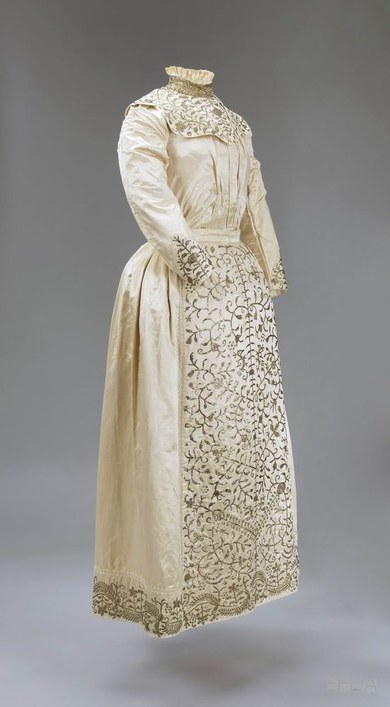
A bride’s dress, made in Baghdad in 1904, is now in Jerusalem. The museum names her children as its donors.
The bride is the grandmother whose face the family knows from a later passport.
16 September 2026
The collection catalog describes both the henna dress and the wedding outfit. The family’s gift had preserved two parts of the celebration.
Red velvet for the henna evening, white satin for the wedding itself. The grandmother in the passport had once worn both.
What to explore next
As the family history takes shape, the app suggests new story ideas. Choose the ones that speak to you, or ask us to curate a collection.
The trade an ancestor learned, the business they built, and the family who helped keep it going.
Two lives in different places, and the circumstances that brought them into the same story.
The village, neighborhood or landscape your relatives spoke about, and the lives they led there.
Additional packs include ten stories and the research, verification and writing needed to develop them. One relative can sponsor a pack for the family to share.
Explore the story packsThe uncle with a story for every occasion. The photographs your sister kept. The recipe in your grandmother’s handwriting.
Start your family’s legendry