The family had Grandpa Bernardino’s portrait, but none of his music. Then came “Rosa Maria”, a waltz preserved under his name. A small note on the handwritten score added a familiar detail: he played the baritone.
Mid-20th century.
IMusic in the square
In the family, he was Vô Bernardino. In Rosário, on the Itapecuru river, he was remembered as the man who led the town band.
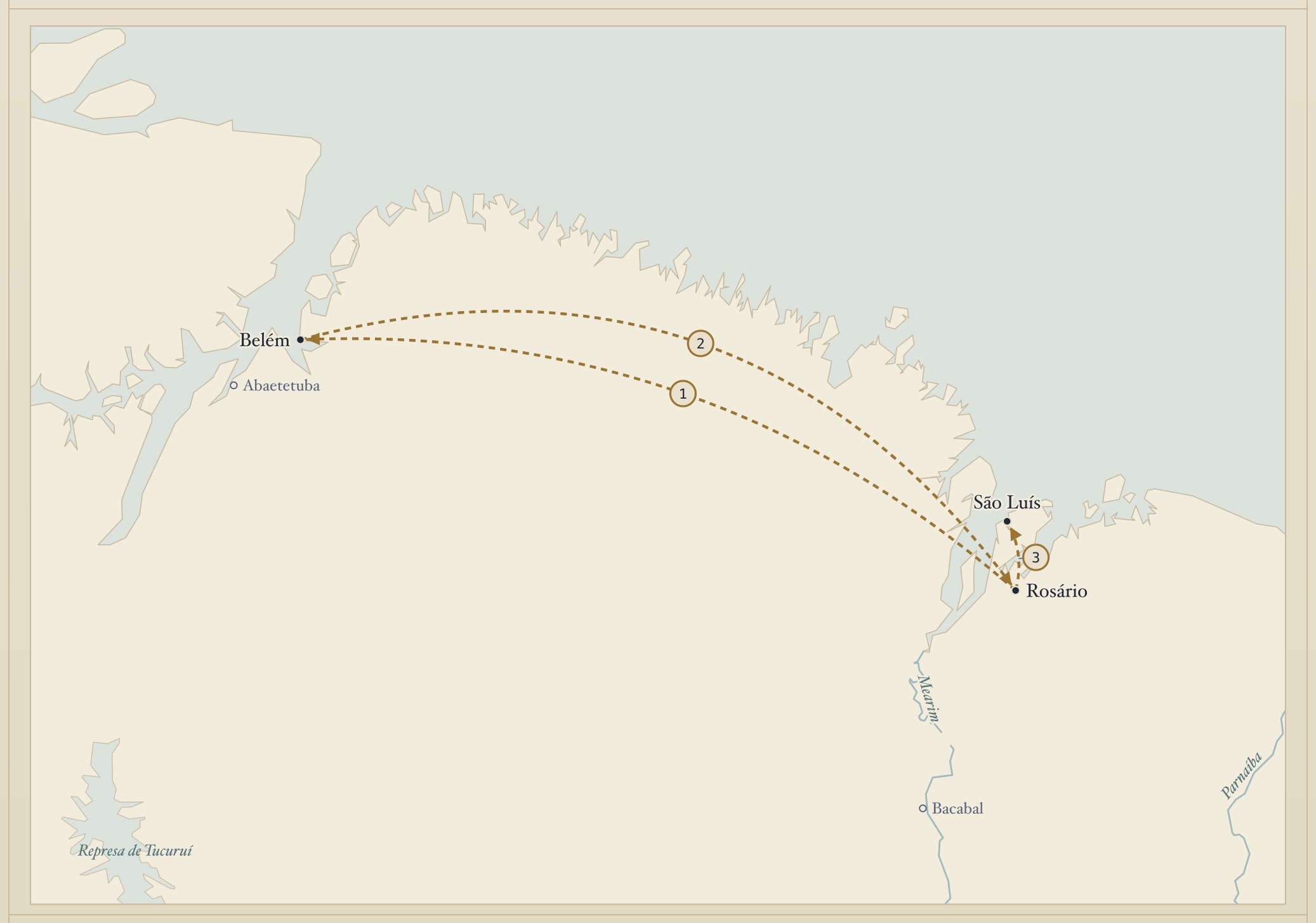
He was born there in 1885 and went to Belém to study music before coming home. He played the baritone horn. His was the sort of work a town needed when it gathered to celebrate: music for the feast of São José in March, for the São João season in June, for the processions and the square.
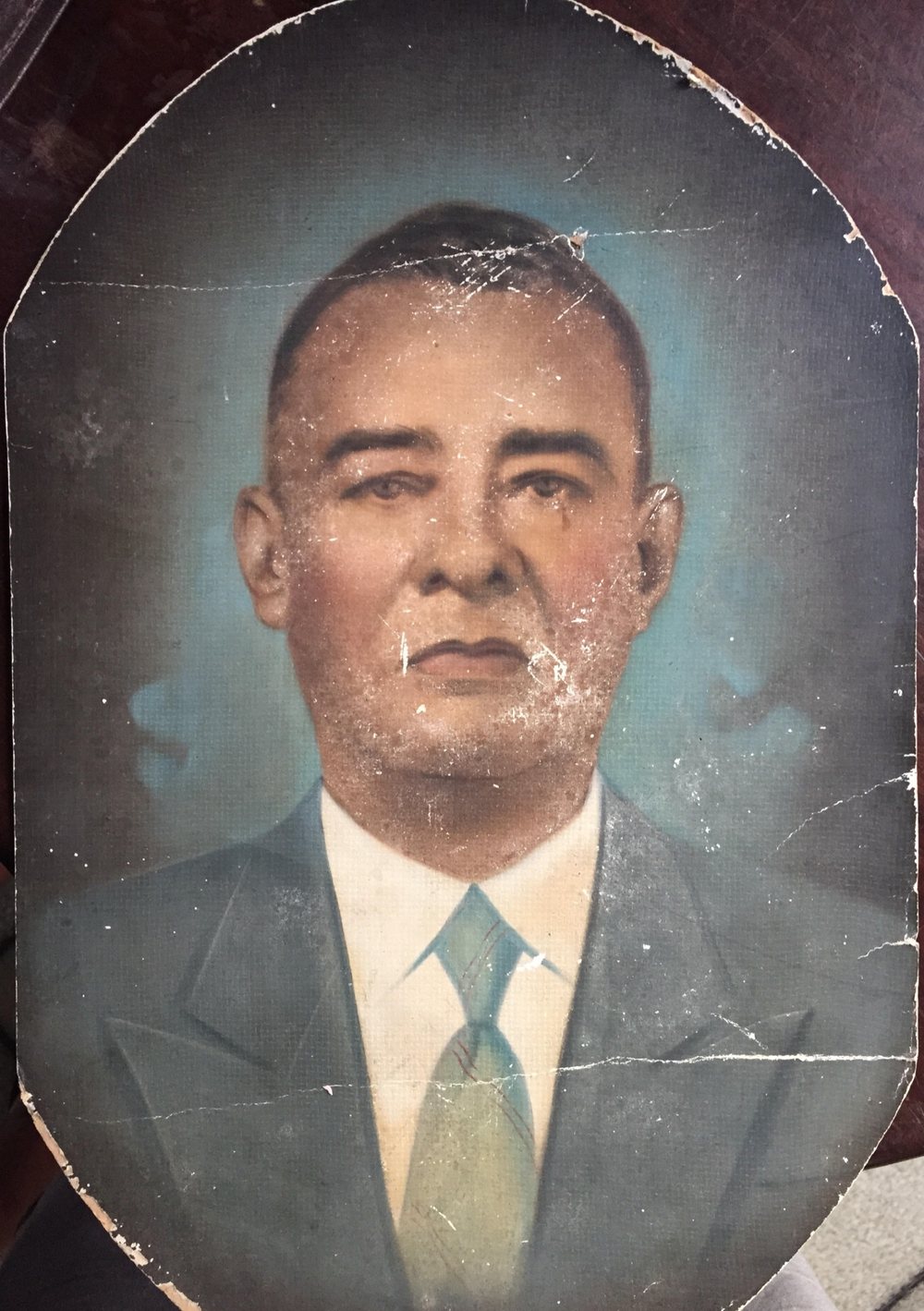
His family kept a tinted portrait. He looks serious in it, in a jacket and pale tie, the old cardboard worn at the edges. They knew the face and the stories about the bandmaster. They had no music to set beside it.
Early 1900s. From Rosário to Belém, to study music.
After his studies. Home to Rosário, to lead the town band.
Later 20th century. The waltz from Rosário to the archive in São Luís.
IIRosa Maria
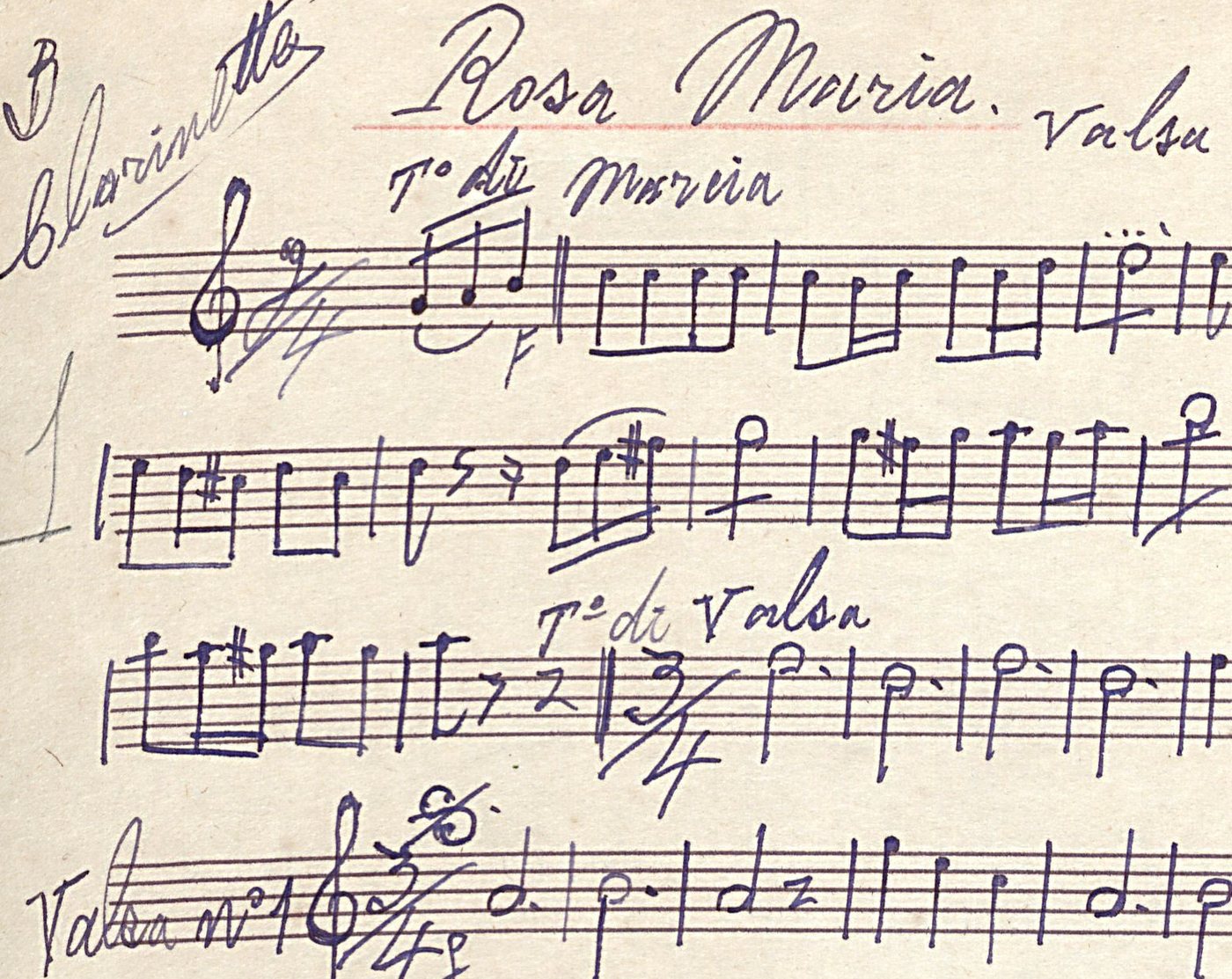
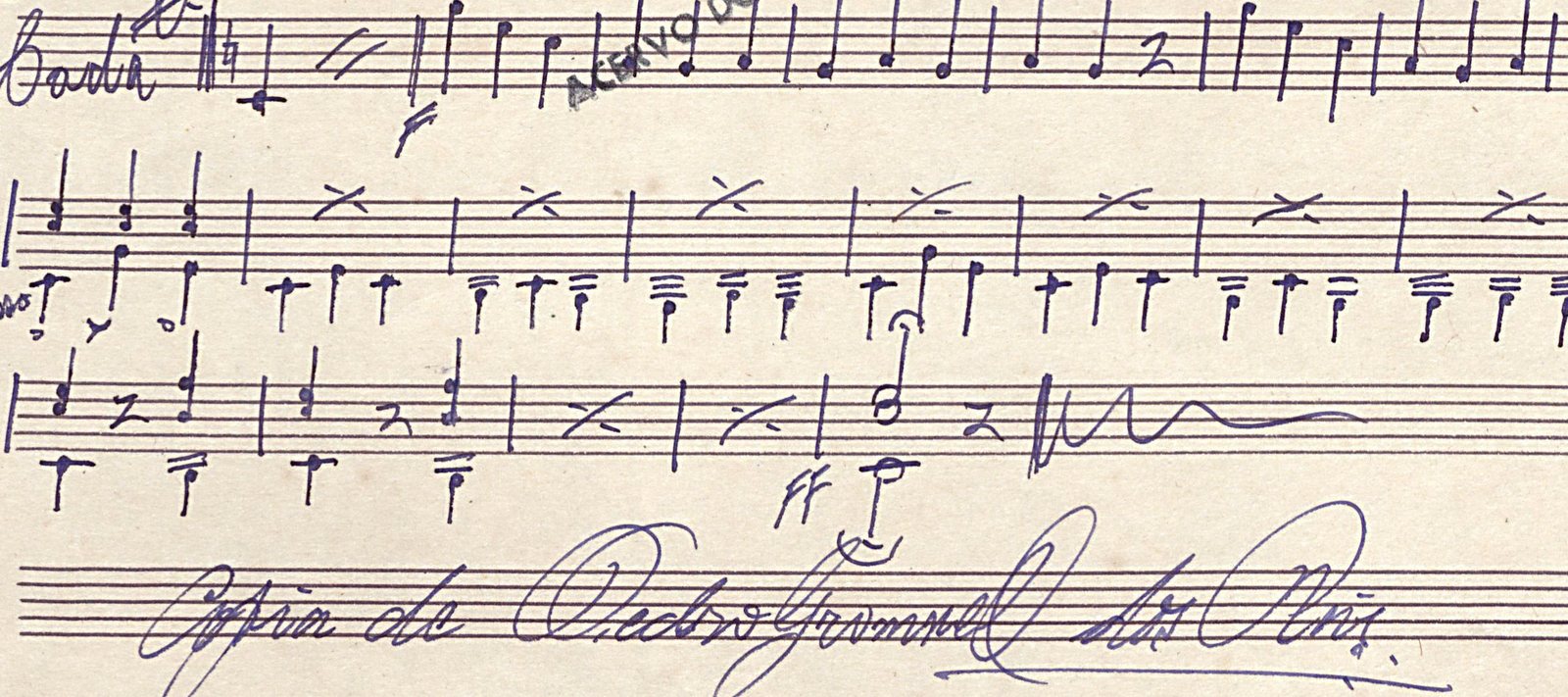
“Rosa Maria” begins with a march, then turns into a waltz. Bernardino’s name heads the handwritten music, with a small reminder beside it: “Tocava Barytono” — he played the baritone.
The music had passed through other hands. Pedro Gromwell dos Reis, a violinist and conductor, copied pieces from Maranhão’s musical life so that they could be kept and played. At the bottom of the waltz’s last page, he signed his copy. The pages became part of Padre João Mohana’s collection in São Luís.
There is room for a whole band in those few sheets. The clarinet carries the tune, the tenor saxophone answers on the afterbeats, and little cues bring in the cornet and basses. At the end comes a coda marked fortissimo: very loud. The serious face in the portrait has acquired quite a lively accompaniment.
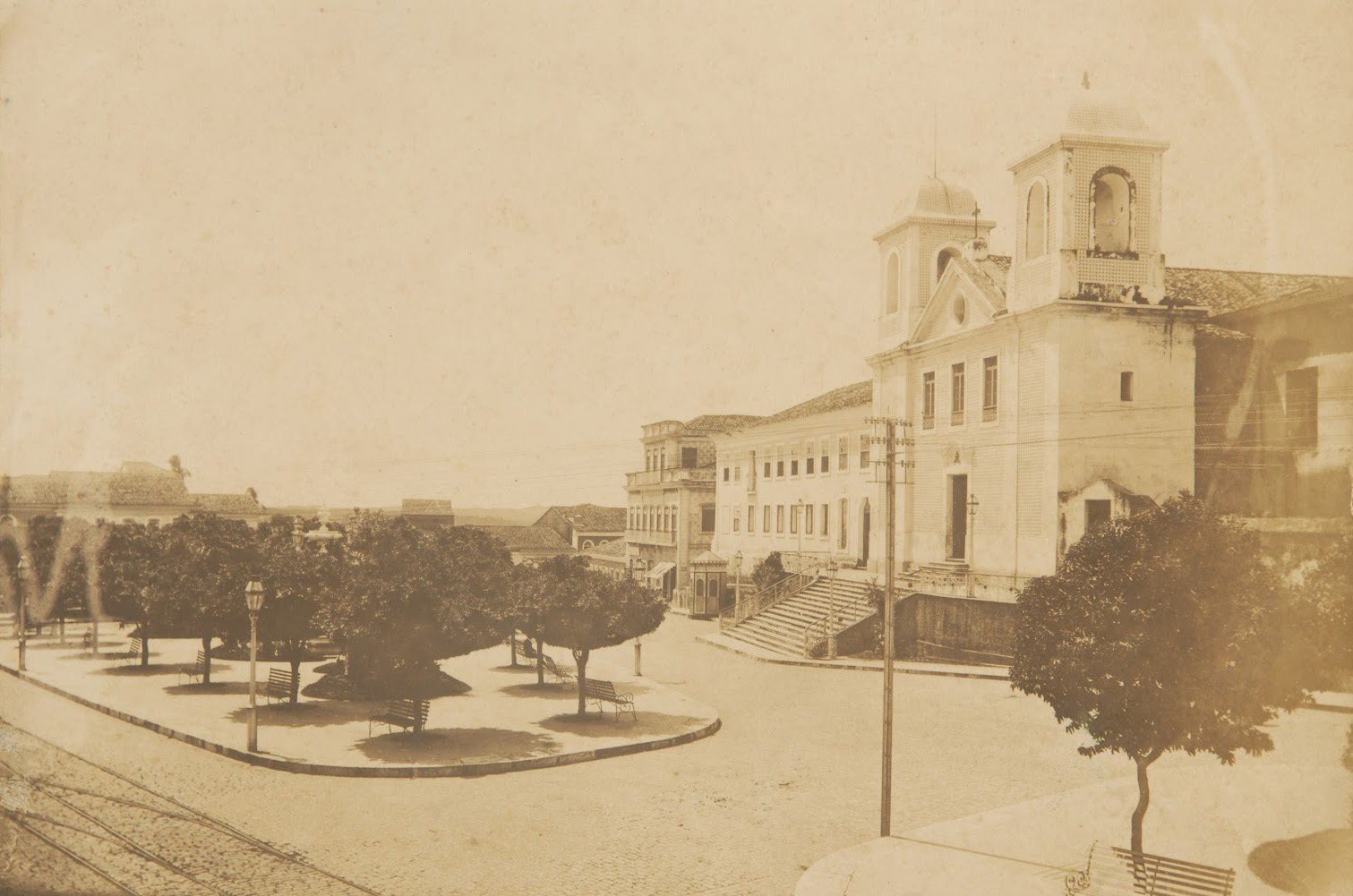
Largo do Carmo, São Luís, 1908.
São Luís, Maranhão.São Luís, Maranhão.
IIIMusic for another generation
Music continued in the family after Bernardino. His son-in-law Antônio played the guitar. So did his granddaughter Graça, who sang with friends in the little bars of Recife in the 1960s, after days spent working in flood relief.
In 2026, the surviving band parts gave “Rosa Maria” a new performance. Newly arranged parts filled out the band around the old melody. Another generation could hear something of the musical world Bernardino had known.
There is still a serious face in the old portrait. Now, beside it, the family can hear a little of the waltz.
A little of “Rosa Maria” · 19 seconds from the melody after the march. Reconstructed in 2026 from surviving band parts, with the remaining parts newly arranged in the style of the time.
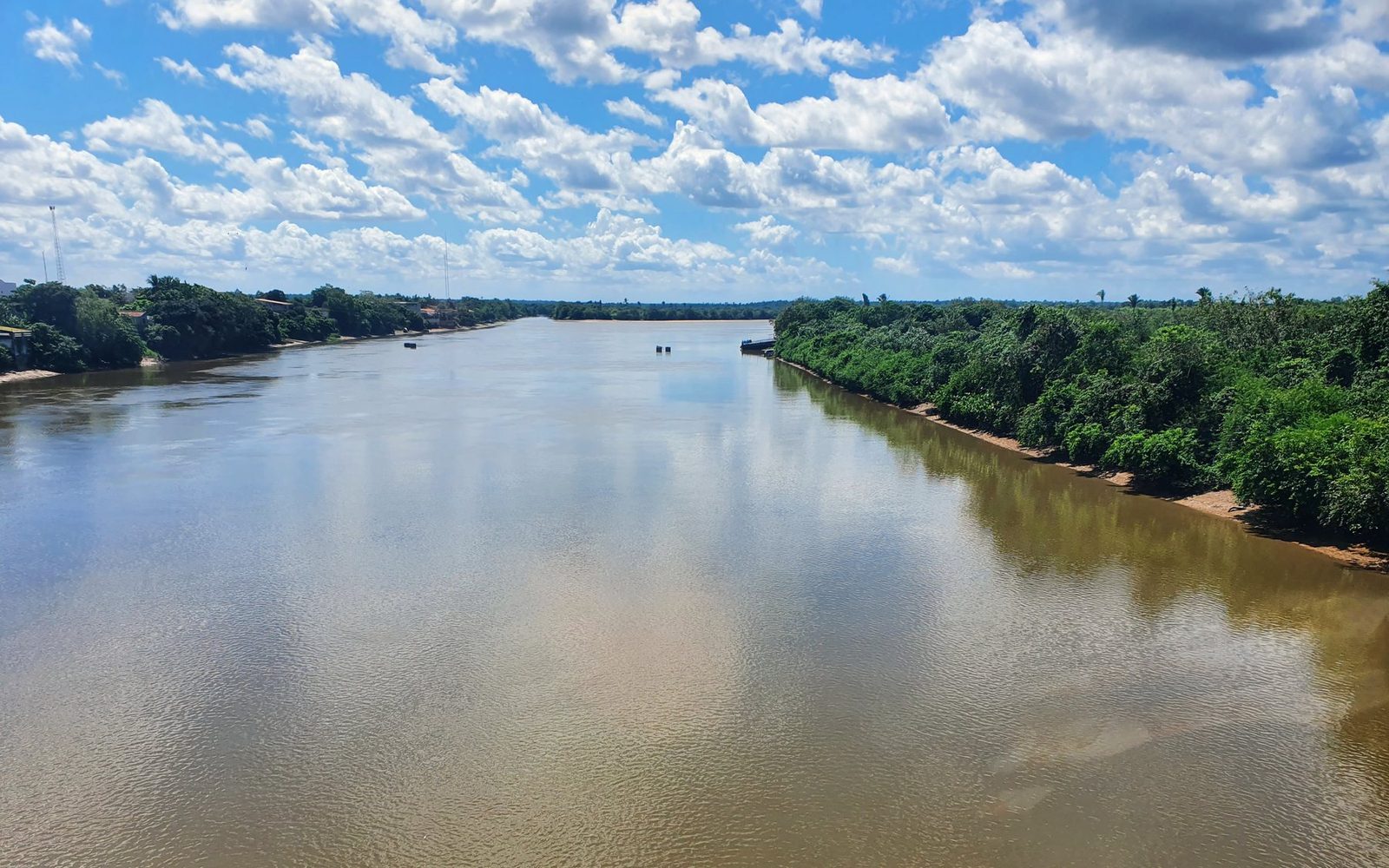
Itapecuru River, Rosário, today.
What music belongs to your family?
A tune someone played, a song everyone knew. Sometimes a few bars bring a person wonderfully close.