Luisa brought her nine-year-old daughter from Italy to Rio in 1955. Eleven years later, Graziella’s name appeared among the candidates for Brazil’s diplomatic service. A few lines away was Henrique, the man she would marry.
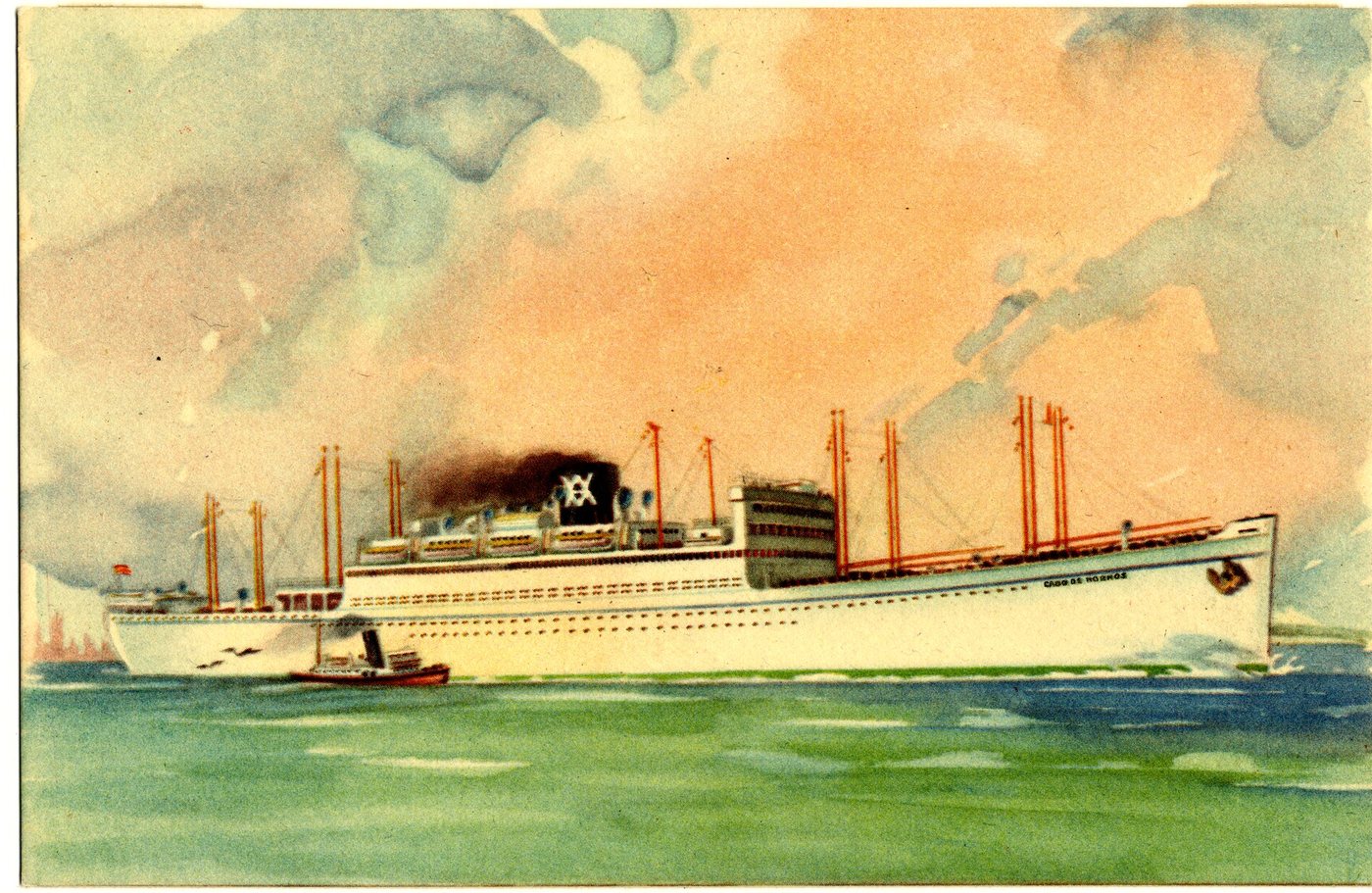
Cabo de Hornos.
IA wedding near Lake Garda
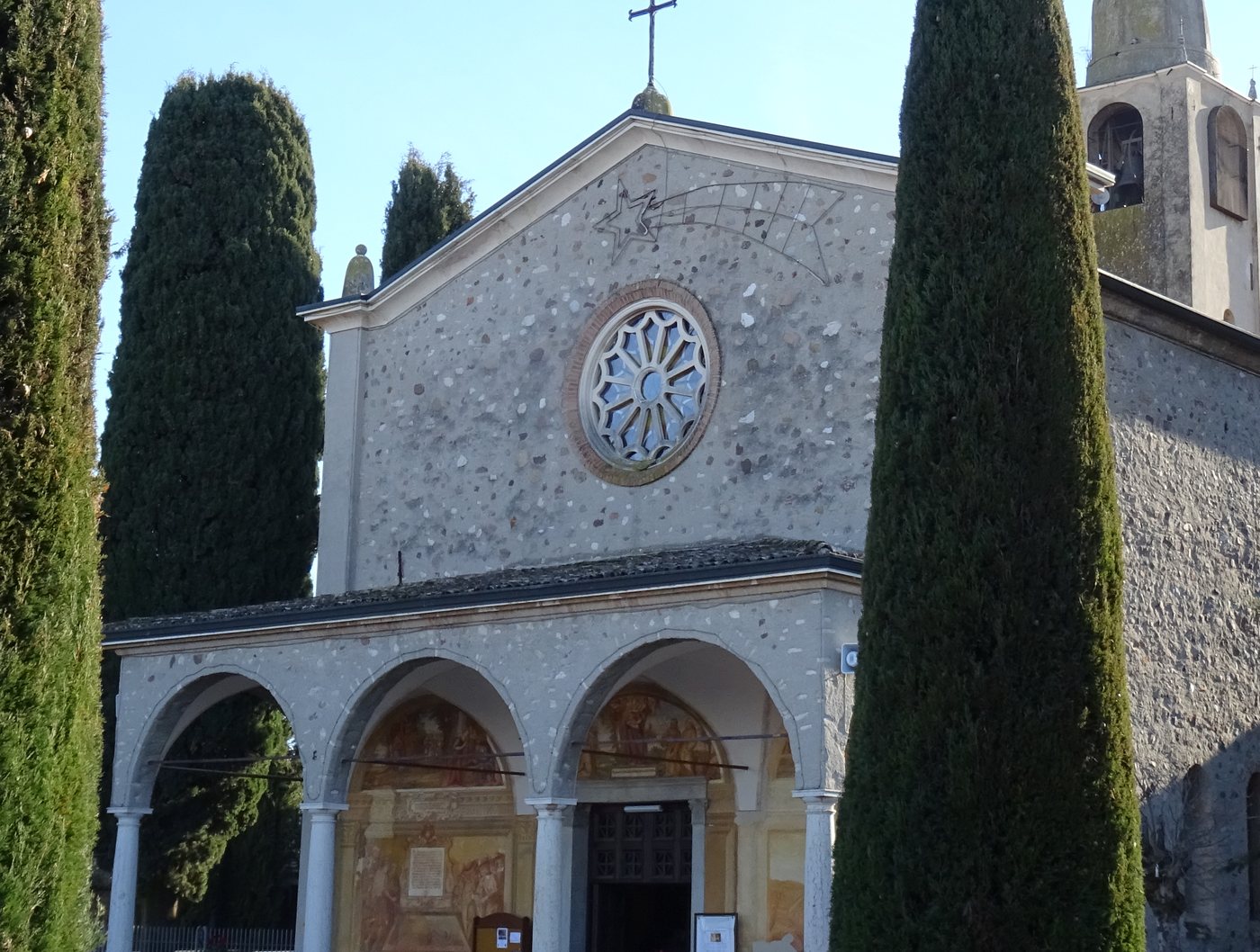
Luisa and Ernesto married on a January morning in 1943, at the Sanctuary of the Madonna del Frassino, just outside Peschiera del Garda. Their wedding brought together two people whose homes were on the Italian Riviera.
Ernesto was a naval officer from Ventimiglia, near the French border. Luisa was a student, born in Brescia and living at Sanremo. Their marriage banns had been read in both of their Ligurian towns; the wedding itself took them inland, to the sanctuary near the lake.
Their daughter arrived in the first spring after the war. They called her Graziella. She would spend her early childhood in Italy, before an ocean separated the place where her parents married from the country where she grew up.
Madonna del Frassino, Peschiera del Garda.
IIMother and daughter
By 1955, Luisa was widowed and raising Graziella on the Riviera. She was now working as a chemist. That September, she obtained a Brazilian visa in Genoa, preparing for a crossing with her daughter.
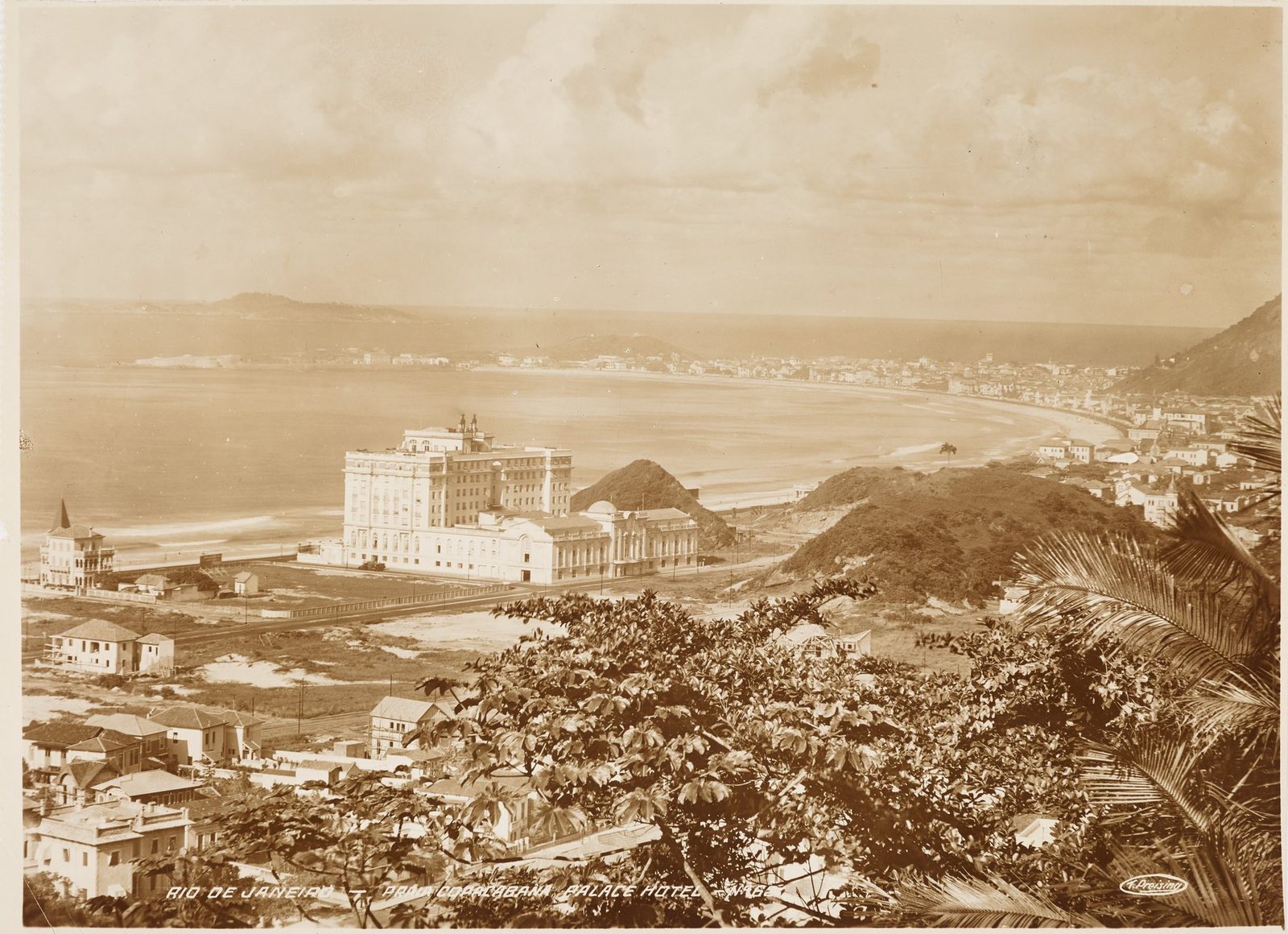
They traveled on the Cabo de Hornos and reached Rio de Janeiro on 29 October. Graziella was nine. Mother and daughter made their new home in Copacabana.
Luisa had been a student when she married. Now she was a chemist and the mother of a schoolgirl, setting up a household in another country. Graziella’s childhood would belong to both coasts: the Riviera where she began, and Rio where she grew up.
Copacabana, Rio de Janeiro.
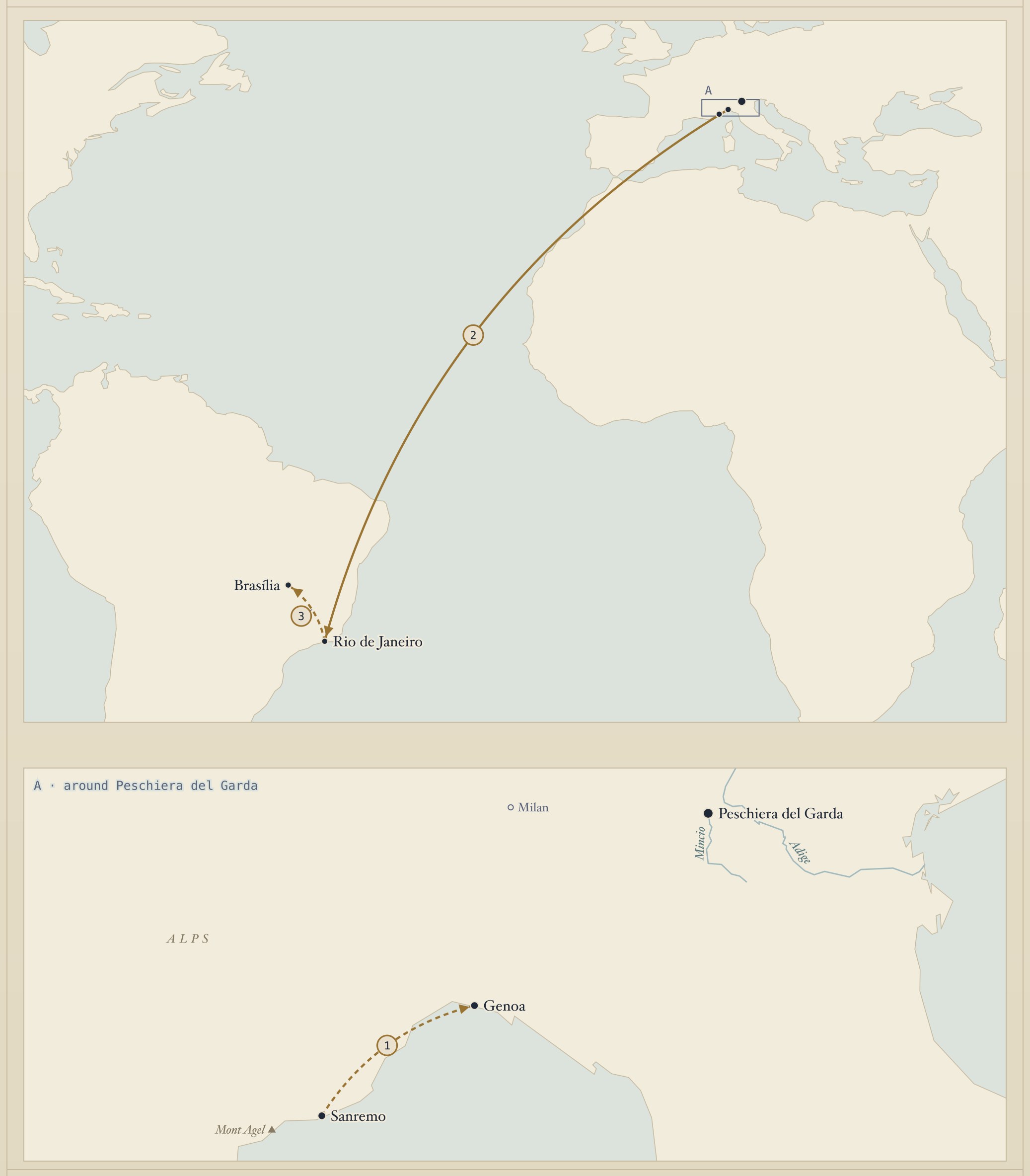
September 1955. From Sanremo to Genoa for a Brazilian visa.
October 1955. Across the Atlantic to Rio on the Cabo de Hornos.
By 1971. From Rio to a new home in Brasília.
IIIA daughter’s exam
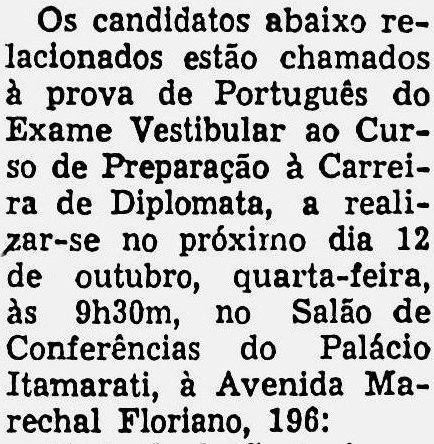
Eleven years after the crossing, Graziella was preparing for an examination in Portuguese. She was a candidate for Brazil’s diplomatic service, called to the Palácio Itamaraty in October 1966.
In the newspaper’s list of candidates, a few lines from Graziella’s name, was Henrique, from Belo Horizonte. A marriage and a family still lay ahead of them. For now, their names shared a page: the girl from Italy was applying to represent Brazil.
Henrique passed and began what would become a long diplomatic career.
By 1971, Graziella and Henrique were married and living in Brasília. She worked as an adviser in the finance administration. The girl who had come ashore with her mother was now making her own life in Brazil’s new capital.
Graziella and Henrique had two children. His work would bring more countries into the family’s life.
Henrique’s work would take him to Bonn, Buenos Aires, Washington, Vienna and Rome. Italy, which Luisa and Graziella had left in 1955, appeared again among the places in the family’s history.
Rio de Janeiro, October 1966.
IVThe mother who brought her
Graziella’s children had a diplomat for a father, and a mother whose childhood had begun in Italy. Before Brasília and the postings abroad, there had been their grandmother Luisa: a chemist, a widow, and a mother arriving in Rio with a nine-year-old.
The family would come to know many countries. Brazil began with those two passengers on the Cabo de Hornos.
Who brought your family to a new place?
A childhood crossing may become the beginning of everything the next generation calls home.